Busted, Bounced Back, and Everything In Between: Aussie Gamblers Tell It Like It Is

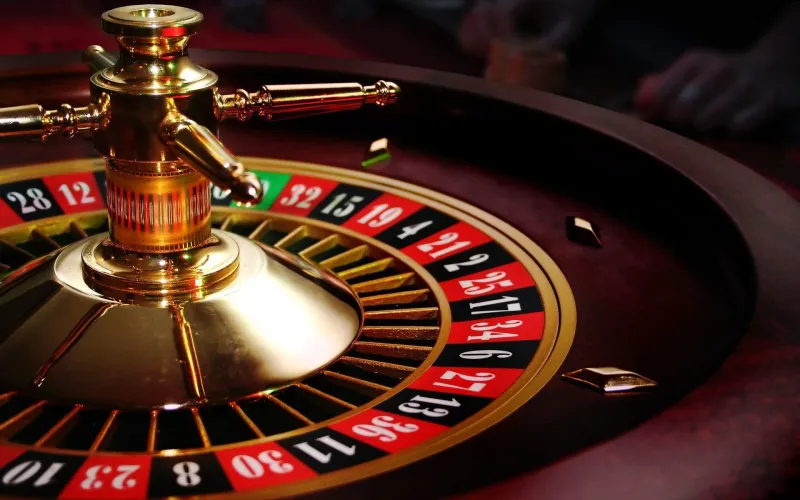
Photo: Australian casino player emotional gambling experience storytelling, via logospng.org
There's a version of the gambling story that gets told a lot — the one where someone hits a massive jackpot, pops the champagne, and rides off into the sunset. Then there's the real version. The one with the 3am regrets, the recalibrated budgets, the lessons that only come from losing something you couldn't really afford to lose.
We reached out to Australian casino players — online and land-based — and asked them to tell us the truth. No polish, no PR spin. Here's what they said.
"I Won $14,000 and Gave It All Back in Four Hours"
Darren, 38, Brisbane
"It was a Saturday afternoon. I was playing Dead or Alive 2 — high volatility, max bet. I hit the free spins feature and just... kept winning. By the time it was done I had $14,200 sitting in my account. I remember staring at the screen thinking, do I cash out? Do I keep going?
I kept going.
By midnight I had $600 left. I withdrew it, finally, but I was shaking. Not from excitement — from something closer to shame. The weird thing is, even during the losses, part of my brain was convinced I was about to turn it back around. That's the trap. You're not thinking clearly when the numbers are moving that fast.
What I learned: set a withdrawal trigger before you start. Not after you win. Before. I now tell myself that if I hit 3x my session budget, I cash out half automatically. No negotiations with myself, no 'just one more spin.'"
The Psychology of the Chase
Darren's story isn't unusual. The phenomenon he describes — continuing to play after a significant win, convinced momentum is on your side — has a name in behavioural psychology: the hot hand fallacy. It's the mistaken belief that a streak of good results makes future good results more likely.
In reality, every spin of a pokie is an independent event. The machine doesn't remember your $14,000 win. The roulette wheel has no idea you've been on a run. But your brain? Your brain absolutely remembers, and it's actively lying to you about what it means.
High-stakes players who last in this game learn to treat their own emotions as unreliable data. Winning feels like skill. Losing feels like bad luck. Usually, it's neither — it's variance playing out exactly as the maths said it would.
"The Loss That Changed Everything"
Simone, 45, Melbourne
"I'd been playing online pokies for about three years before I had what I now call 'the bad year.' I wasn't a problem gambler in the classic sense — I wasn't hiding it, I wasn't chasing losses obsessively. But I was playing without a real budget, and I was using wins to justify more play instead of banking them.
Over about eight months, I lost around $9,000. Not in one go — just slowly, session by session, until I added it up one Sunday morning and nearly choked on my coffee.
The thing that saved me, honestly, was a really blunt conversation with a friend who also plays. She didn't lecture me. She just said, 'What's your actual plan when you sit down?' And I realised I didn't have one. Not really.
Now I have a monthly entertainment budget for gambling — same as I'd budget for concerts or dining out. When it's gone, it's gone. I still play. I still enjoy it. But I play like it's entertainment, not like it's a second income. Because it isn't."
What Separates the Players Who Bounce Back
After speaking with more than a dozen Australian players for this piece, a few patterns emerged clearly among those who managed to turn things around after rough patches.
They got honest about the why. Were they playing for fun, for the thrill, to escape stress, or chasing a financial outcome? Players who struggled most were often those who'd blurred the line between entertainment and income strategy.
They restructured, not just restricted. Cutting back cold turkey rarely stuck. The players who bounced back effectively built new systems — deposit limits, session timers, mandatory cool-off periods after significant losses.
They kept playing, but differently. Quitting entirely wasn't the answer for most of them. Rebuilding a healthier relationship with the games — on their own terms, with proper limits — was.
"I Hit a Progressive Jackpot and It Taught Me Humility"
Marcus, 52, Perth
"People assume winning big fixes everything. It doesn't. I hit a progressive on a Mega Moolah spin about two years ago — $180,000. Life-changing money, genuinely. But I'd been gambling for fifteen years before that moment, and I'd probably spent close to $60,000 over that time. So was it really a win? Mathematically, sure. Emotionally? I felt weird about it for months.
The jackpot didn't make me a better player. It just made me luckier than average on one particular afternoon. I've met people who've won big and lost it all again within a year because they thought the win validated their approach. It doesn't. Luck isn't a strategy.
I still play. I enjoy it. But I'm honest with myself now about what it is: entertainment with a side of mathematics, occasionally interrupted by something extraordinary."
The Extreme Casino Reality Check
These stories aren't cautionary tales designed to scare you off the games. They're the real texture of what casino life actually looks like — the highs, the gut-punches, and the wisdom that only comes from being in it.
At Extreme Casino AU, we're all about going hard. But going hard without going smart is just going broke. The players who stick around, who keep the game enjoyable over the long run, are the ones who play with their eyes open — who know the odds, respect their limits, and treat every session as exactly what it is.
If you're feeling like the game has gotten away from you, the National Gambling Helpline (1800 858 858) is available 24/7. No judgment, just support.
Otherwise — know your numbers, set your limits, and play like you mean it.