Clicks, Chips & Clout: How Aussie Gamblers Are Cashing In on Their Casino Stories
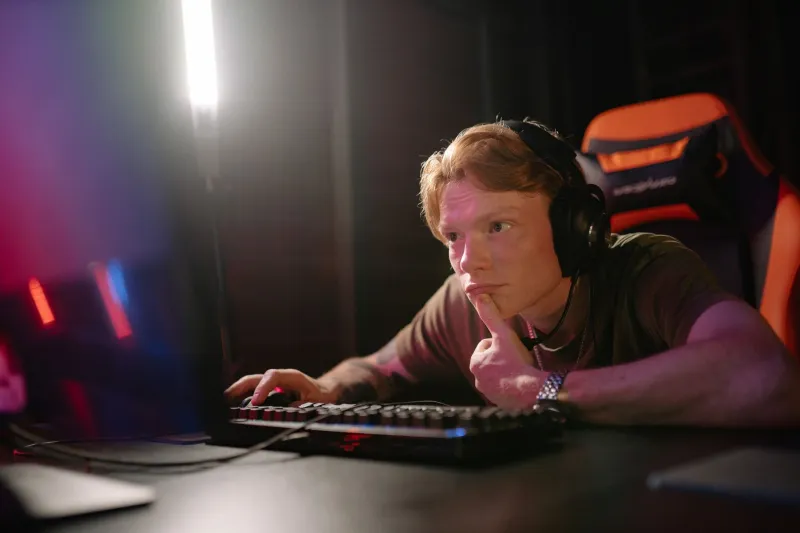
There's a bloke in Brisbane who lost $4,000 on a single high-volatility pokie session last year. He filmed the whole thing. The video now has over 800,000 views, and he's made more from the content than he ever lost at the reels. That's the wild paradox sitting at the heart of Australia's booming gambling content scene — and it's only getting stranger.
Welcome to the sweat economy. Where the grind of the session, the gut-punch of the bad beat, and the absolute chaos of a massive hit are all just raw material for content. It's extreme in the truest sense of the word, and Aussies are absolutely eating it up.
From the Feed to the Stream
Streaming and short-form video have completely changed the relationship between gambling and audience. Platforms like Twitch have hosted casino streaming categories for years now, but the real explosion in Australian gambling content has happened on TikTok and YouTube Shorts — bite-sized, high-energy clips that compress the emotional arc of an entire session into 60 seconds or less.
The format suits the content perfectly. A pokie bonus trigger, the suspense of the free spins, the reveal — it's practically engineered for short-form drama. Creators have figured out that the reaction is the product. The sweat, the commentary, the disbelief when the multipliers stack up or completely fall apart — that's what keeps people watching.
And watching they are. Some of Australia's most followed gambling accounts have built audiences in the hundreds of thousands without ever being affiliated with a casino brand. They're just punters with cameras and opinions, and people can't get enough.
The Loss Is the Content
Here's what's genuinely fascinating about this space: wins aren't always the most valuable content. Losses — particularly dramatic, gut-wrenching, totally-should-have-walked-away losses — often perform even better. There's something deeply human about watching someone else's session go sideways. It's relatable, it's raw, and it generates engagement like almost nothing else.
Creators have cottoned on to this. The best gambling content isn't a highlight reel of jackpots — it's an honest journey with peaks and valleys. The channels that build loyal communities tend to be the ones that don't shy away from the ugly sessions. They document the tilt, the rebuy, the decision to call it a night. That authenticity is currency.
For many creators, the monetisation kicks in not from the gambling itself but from the content ecosystem around it. Ad revenue, memberships, merchandise, sponsorships from adjacent brands — it all adds up. Some are pulling in enough to comfortably offset their bankroll, turning what was once a pure expense into something resembling a business model.
Where It Gets Complicated
None of this is without serious ethical weight, and it'd be dishonest to pretend otherwise.
The grey zone between entertainment and promotion is genuinely murky. When a content creator plays at a specific casino, uses affiliate links, or receives free credits in exchange for coverage, they're operating in promotional territory — even if the vibe of the content feels casual and unsponsored. Australian consumer law requires clear disclosure of commercial relationships, but enforcement in the digital gambling space has been inconsistent at best.
Then there's the question of audience influence. Gambling content skews young. The demographic watching TikTok casino clips isn't necessarily the seasoned punter who understands variance and bankroll discipline — it's often younger viewers who are seeing the excitement without the full picture of risk. When a creator celebrates a $10,000 pokie win without mentioning the $15,000 they'd deposited over the previous month, the narrative becomes dangerously incomplete.
Regulators are starting to notice. The Australian Communications and Media Authority (ACMA) has been progressively tightening its grip on online gambling advertising, and there are growing calls to extend those restrictions more explicitly to social media influencers and content creators. The argument is straightforward: if a TV ad for a casino has to carry responsible gambling messaging, why should a TikTok video with half a million views get a free pass?
The Responsible Creator Question
Some creators are actually ahead of the curve on this. A handful of prominent Australian gambling streamers have started integrating responsible gambling messaging into their content voluntarily — not because they're told to, but because they've seen firsthand how their audiences respond to sessions gone wrong. They talk openly about setting limits, using deposit caps, and knowing when to log off. That kind of content can genuinely serve a public good, normalising the idea that discipline and gambling aren't mutually exclusive.
But for every creator taking that approach, there are plenty more who are laser-focused on the entertainment angle without much thought for downstream impact. It's an industry growing faster than the frameworks designed to manage it.
The New Australian Gambling Personality
What's emerged from all this is a distinctly Australian archetype: the gambling content creator who's part entertainer, part punter, part reluctant role model. They're not slick promotional machines. They're often chaotic, funny, self-deprecating, and genuinely passionate about the games they play. That authenticity is exactly what makes them compelling — and exactly what makes the ethical questions so hard to resolve neatly.
The best of them treat their audience like adults. They show the variance. They talk about money management. They make it clear that the session you're watching is entertainment, not a blueprint. The worst of them chase virality at any cost, knowing that a catastrophic loss filmed with the right energy will rack up views regardless of the message it sends.
So Where Does This Leave the Punter?
If you're watching this content — and statistically, you probably are — it's worth keeping a few things in mind. The sessions that make it to your feed are curated. The wins get amplified. The losses are often reframed as drama rather than genuine financial pain. The creator making content about their $3,000 session might be doing so with a very different financial cushion than you have.
That doesn't mean the content isn't entertaining. It absolutely is. But entertainment and instruction are different things, and the sweat economy works best when everyone in it — creator and viewer alike — knows which one they're dealing with.
Australia's gambling content scene is loud, unpredictable, and genuinely compelling. Much like a high-volatility pokie, it'll give you moments of pure exhilaration and moments that make you question all your choices. The trick is knowing when you're watching the reels spin — and when you're just along for the ride.