Flat Felt Is Dead: Why Australia's Biggest Punters Have Gone All-In on Live Betting
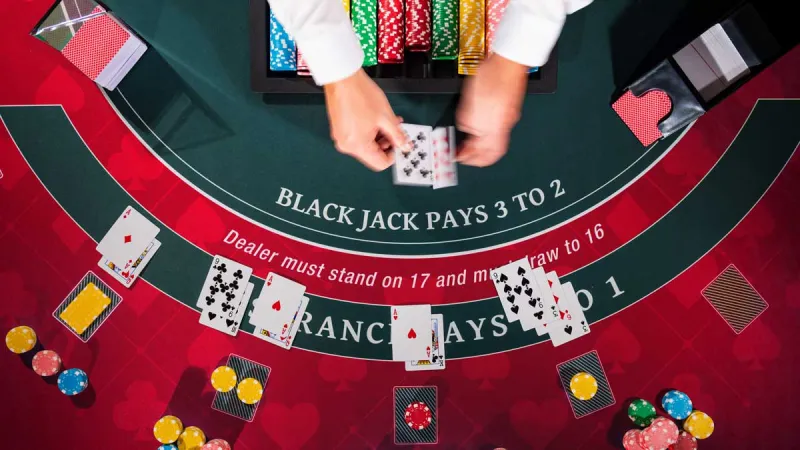
There's a particular kind of silence inside a traditional casino at 2am. The pokies hum, the dealer flips cards with mechanical precision, and the whole room has this weird, pressurised stillness — like everyone's holding their breath waiting for something that never quite arrives. For a certain breed of Australian punter, that silence has become unbearable.
They're leaving. Not slowly, either. Some of the sharpest, most aggressive gamblers this country has produced are pulling their chips off the felt and redirecting serious money toward live sports betting platforms, in-play esports wagering, and real-time financial markets. The casino floor, once the undisputed temple of high-stakes action, is starting to feel like a museum.
So what's actually going on?
Speed Kills (In the Best Way Possible)
The most obvious factor is pace. Traditional table games move at the speed of human dealers — shuffle, deal, bet, resolve, repeat. Even at a hot baccarat table, you're looking at maybe 70-80 hands per hour if things are flying. Pokies are faster, sure, but the interaction is passive. You spin. You wait. The machine decides.
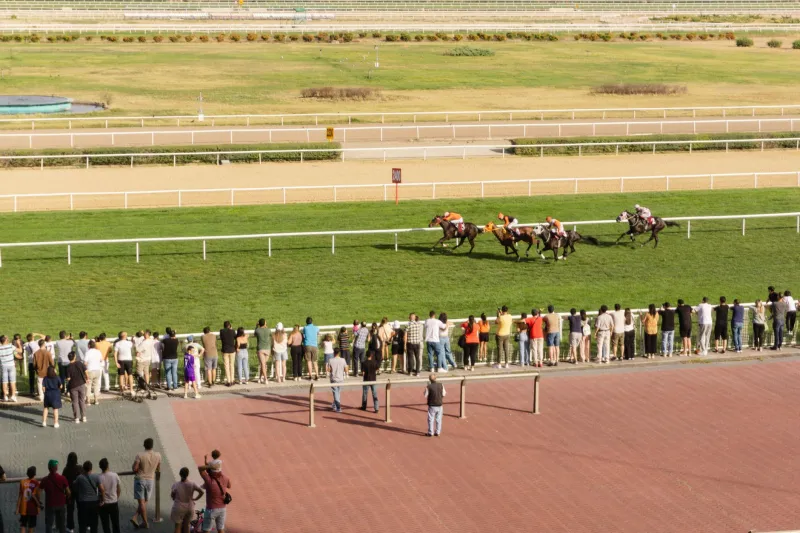
Live betting is a completely different animal. During a single NRL match, a sharp punter might fire off 30, 40, 60 individual wagers — next try scorer, line movement after a penalty, halftime margin adjustments, momentum swings mid-quarter. The market never stops breathing. Odds shift in real time, windows open and slam shut in seconds, and the punter who hesitates genuinely loses.
For high-rollers wired for stimulation, this isn't just more entertaining — it's neurologically different. The feedback loop is tighter. The reward hits faster. And the perception of being in the action, rather than watching it from the outside, changes everything about how the experience feels.
The Skill Illusion (and Why It Matters)
Here's the uncomfortable truth that no casino marketing department will put in a press release: most traditional casino games are pure chance. Blackjack has a thin strategic layer, poker involves real skill, but the pokies? The roulette wheel? You're essentially paying for the privilege of watching a random number generator do its job.
Live sports betting feels fundamentally different — even when the edge is just as brutal.
Australian punters who've migrated to in-play markets consistently describe the experience using words like control, read, and edge. They talk about watching a team's body language in the first ten minutes of a rugby match, sensing momentum shifts before the market does, and hammering a line before the bookmaker's algorithm catches up. Whether that skill advantage is real or largely illusory is a debate for the academics. What matters is that it feels real, and that feeling is worth an enormous psychological premium.
Esports has turbocharged this dynamic. Games like CS2, League of Legends, and Valorant have spawned a generation of punters who genuinely understand the product at a granular level. A former semi-pro player watching a CS2 map can read rotations, economy rounds, and tactical tendencies that the average bookmaker's model might undervalue. The information asymmetry feels tangible in a way that staring at a slot's RTP percentage never could.
The Venue Has Changed, But the Mentality Hasn't
Don't mistake this shift for a softening of the Australian gambling psyche. The blokes and women moving capital out of Crown and Star and into Sportsbet, Bet365, and offshore esports books aren't looking for a gentler experience — they're chasing something rawer.
The traditional casino offered luxury as a wrapper around the action. Complimentary suites, restaurant access, the theatre of the gaming floor. That stuff still has its audience, but for the extreme end of the punter spectrum, the trappings have started to feel like a distraction. Why sit in a climate-controlled room in a dress shirt when you can be firing in-play bets from a phone at the MCG with 80,000 people losing their minds around you?
The venue has dematerialised. The action hasn't.
Real-Time Markets: The Wildest Frontier
Beyond sports, a smaller but fast-growing cohort of Australian high-rollers has started treating financial spread betting and real-time commodity markets as just another form of extreme wagering. Technically these aren't gambling products under Australian law — they're financial instruments — but anyone who's watched a punter hammer leveraged CFD positions on ASX movements during a volatile session knows exactly what's happening psychologically.
The same pattern-reading instincts, the same tolerance for rapid loss and recovery, the same appetite for high-frequency decision-making. Different asset class, identical brain chemistry.
This is the bleeding edge of where Australia's most aggressive risk-takers are operating, and it's largely invisible to the traditional gambling industry.
What the Platforms Are Doing Right
It'd be naive to ignore the role that product design is playing in this migration. The major live betting platforms have invested heavily in making the in-play experience as frictionless and fast as possible. One-tap bet placement, streaming integrated directly into the wagering interface, live stats feeds, cash-out functionality mid-event — these aren't accidents. They're deliberate friction-reduction strategies designed to keep the punter engaged and betting.
The best platforms have also gotten smarter about market depth during live events. Where early in-play betting was limited to basic outcomes, you can now wager on granular micro-markets — next point in a tennis game, next foul in an NBA quarter, next wicket in a T20 innings — that generate the kind of rapid-fire action that high-volume punters crave.
For a certain type of player, the traditional casino simply can't compete on these terms.
The Honest Reckoning
None of this means live betting is a smarter financial proposition than table games. In many cases, the house edge on in-play markets is just as punishing, sometimes more so, because the bookmaker's margin compounds across dozens of micro-bets in a single session. The perception of skill provides emotional cover, but the maths doesn't always back it up.
What's genuinely different is the experience architecture. Live betting is built for people who want to be active participants in fast-moving chaos — which is, not coincidentally, exactly the kind of person who gravitates toward extreme gambling in the first place.
Australia has always produced punters with a particular appetite for intensity. The flat felt just isn't feeding that appetite the way it used to. The action has moved, the money has followed, and the traditional casino floor is left wondering how to win back a demographic that's found something faster, louder, and — rightly or wrongly — feels a whole lot more like a genuine contest.
Go hard or go home. The live betting arena is where hard is going.